Aleph Bet BaMakal

Aleph Bet BaMakal

A makal (stick/staff) symbolizes both support and leadership. The Benjamites were renowned ambidextrous warriors. The makal assists with exercising on both the dominant and non-dominant sides. It also acts as an extension of the arms, helping to align the body, square the shoulders. Stretches can be based on letter shapes.

Exploring Aleph Bet through Movement.

Physical practice is based on archery, the shepherd's sling, and the staff — the traditional weapons of Shevet Binyamin. As I train, I visualize five Hebrew letters: Aleph (strength), Lamed (guidance), Qof (rotation), Ayin (focus), and Tav (completion). I am inspired by the letters' shapes and their individual meanings.

The three tools

The bow

Qeshet — drawing strength

Benjamin's archers were renowned, and the slow draw is a gift to a modern body. Practice draws against a light band or bow: shoulders set low, back muscles doing the work, breath steady. Ten draws, a pause, ten more — posture and patience together.
The sling

Qela — the shepherd's sling

The sling was the shepherd's tool before it was the soldier's, and accurately launching a projectile is a study of breath, rhythm, and timing. Rotations with an empty sling (or a soft rope) open the shoulders, warm the rotator cuff, and train timing. Slow circles first; speed comes on its own.

The staff

Melammed — balance, leverage, and fluid motion

The shepherd's staff is a balance partner, a mobility aid, and a light resistance tool. Use it for single-leg stands, gentle overhead carries, and supported lunges on a walk. It steadies the body the way it steadied the flock.

Qela

A short look at the shepherd's sling in practice — breath, rhythm, and release.

Qeshet

The bow in practice — draw, anchor, and release.

Melammed

The staff in practice — balance, leverage, and fluid motion.

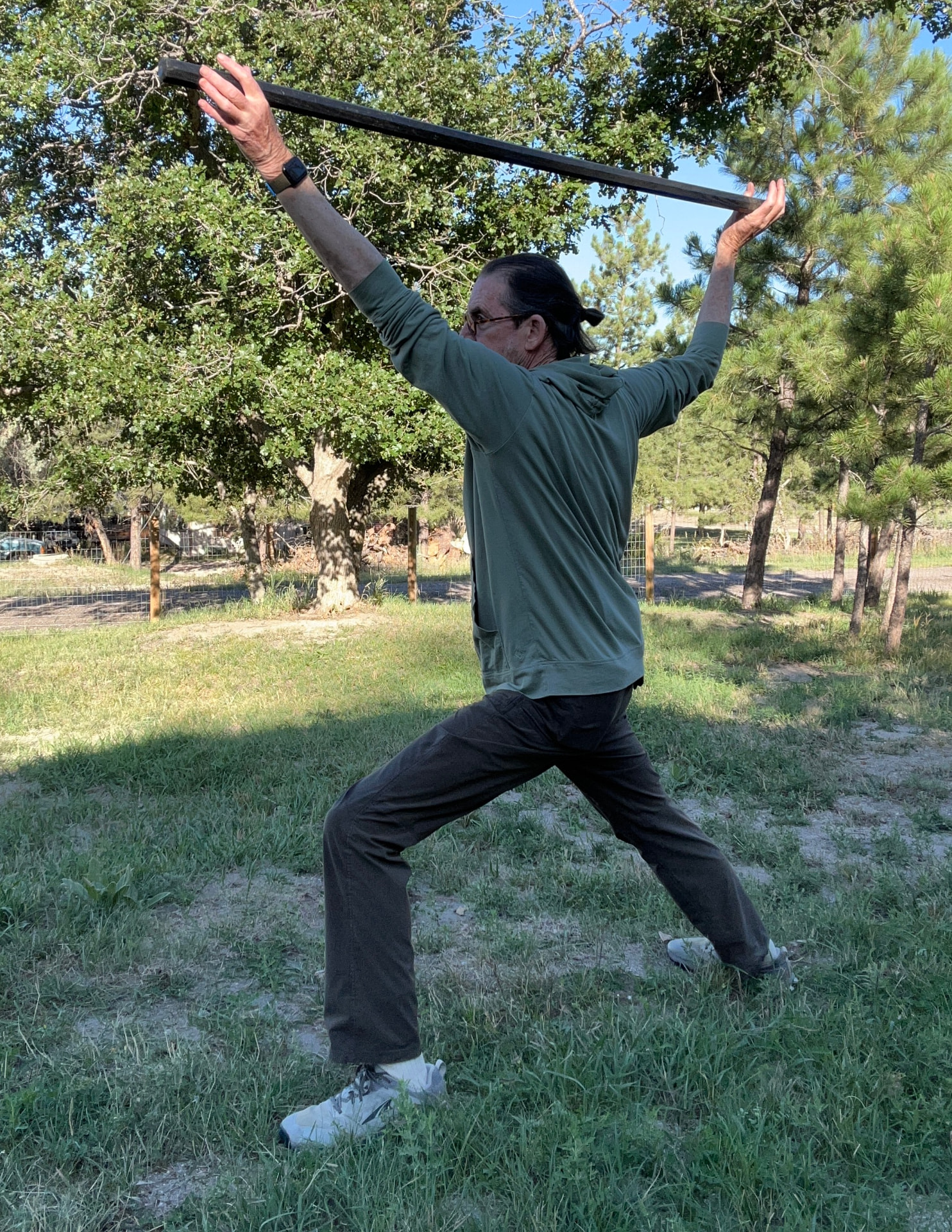
Marc Tull turning with a staff raised overhead
An overhead turn joins strength, balance, and fluid motion.
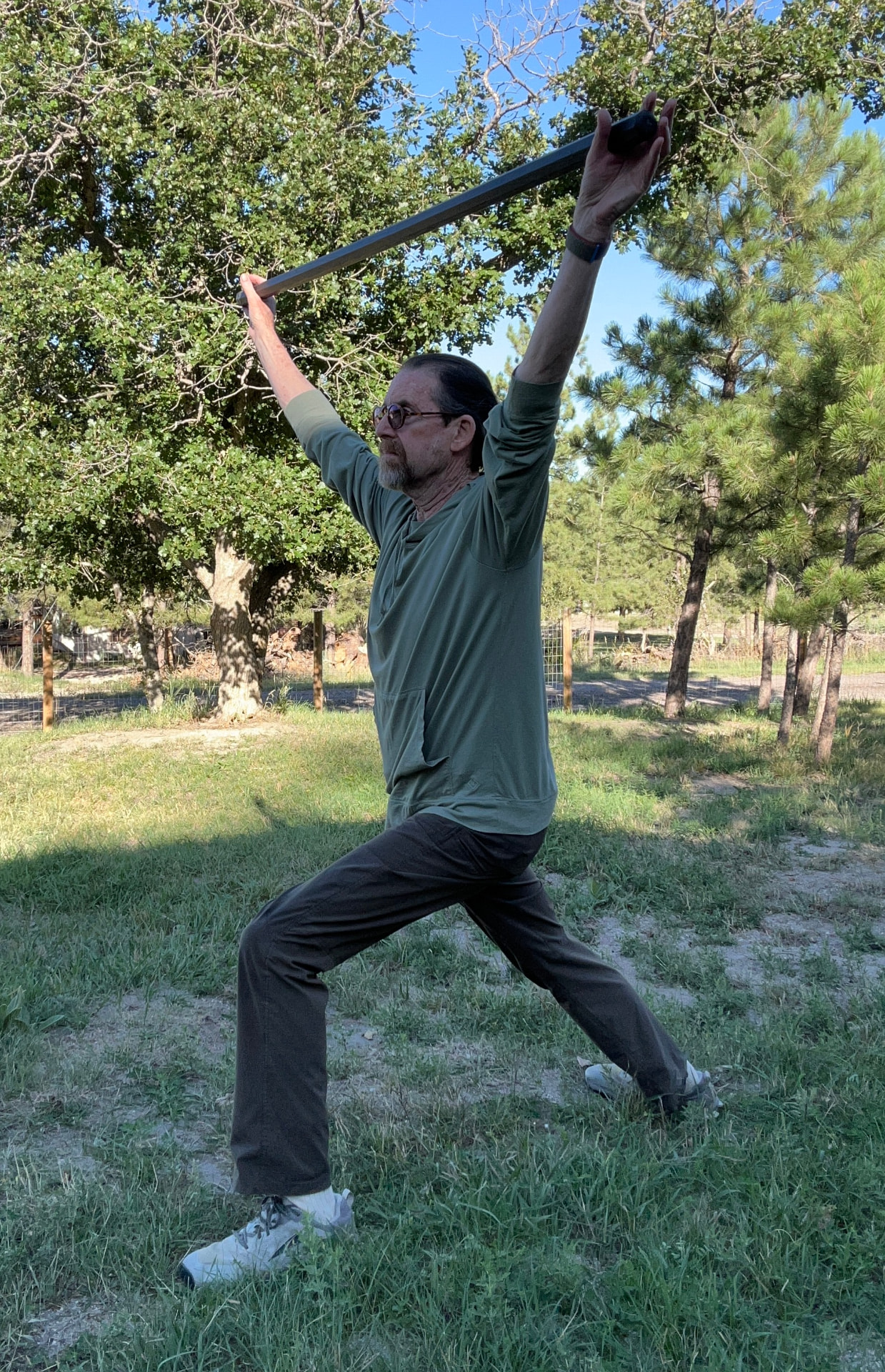
Marc Tull stretching in a wide stance with a staff raised overhead
The opening posture — Aleph, strength.

Each Letter Tells a Story

Before the Hebrew alphabet took its familiar form, Proto-Hebrew was written in pictographs — simple drawings where each symbol stood for a word. Ancient Hebrew refined those pictures into 22 consonants, each carrying a phonetic sound, yet each still holding onto its older meaning. When I train, I hold these five letters in mind: Aleph for strength, Lamed for guidance, Qof for rotation, Ayin for focus, Tav for completion. Their shapes become checkpoints for the body.

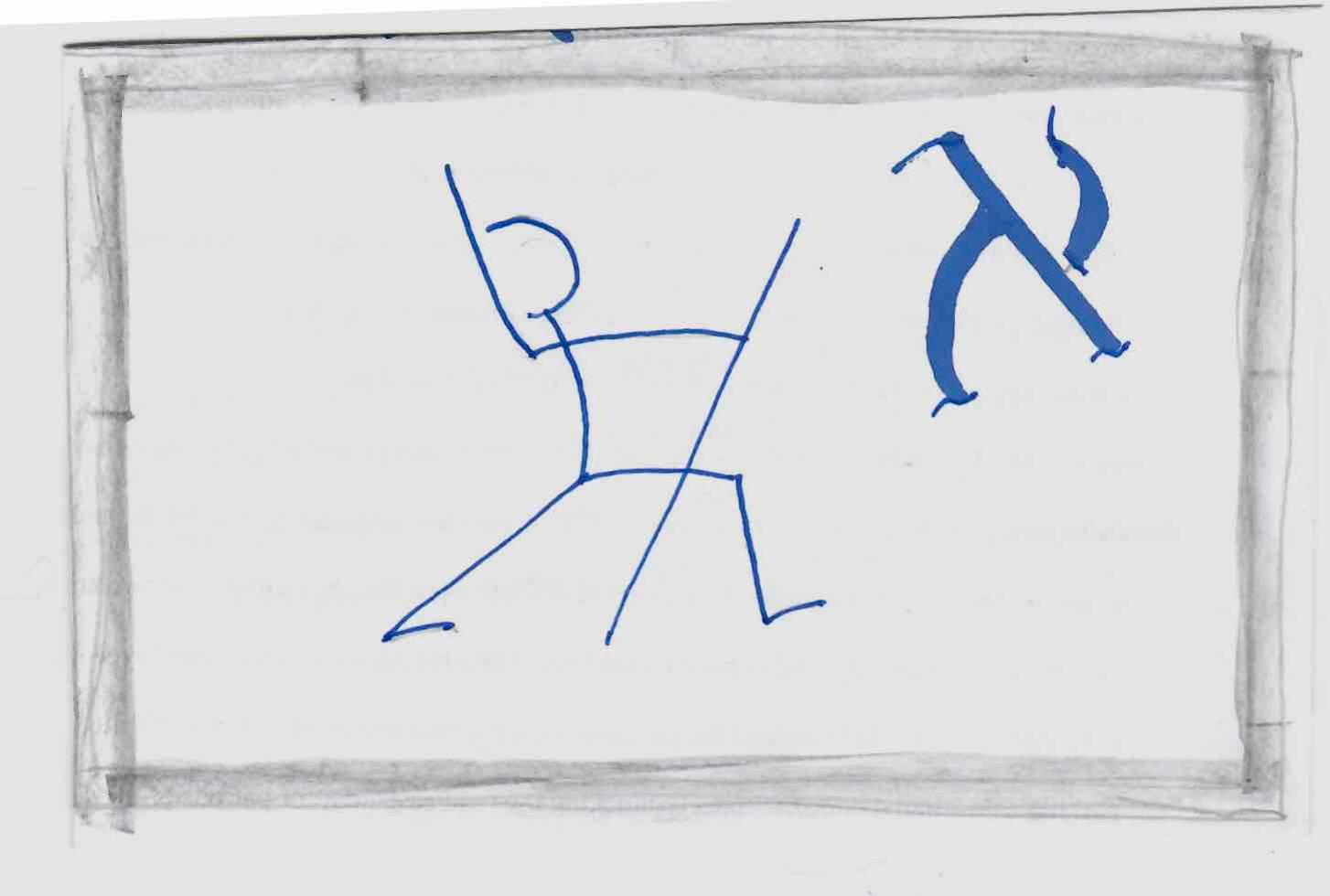
א
Letter 1 · Strength

Aleph

Hand-drawn figure in a Aleph-inspired posture beside the Proto-Hebrew Aleph pictograph

The pictograph behind aleph is the ox, a sign of power and bearing weight. In practice it becomes the ground of every draw, stance, and release — the quiet strength that holds the body steady before any weapon moves.

I visualize the stance before picking up any weapon: feet grounded, shoulders settled, the whole frame steady.

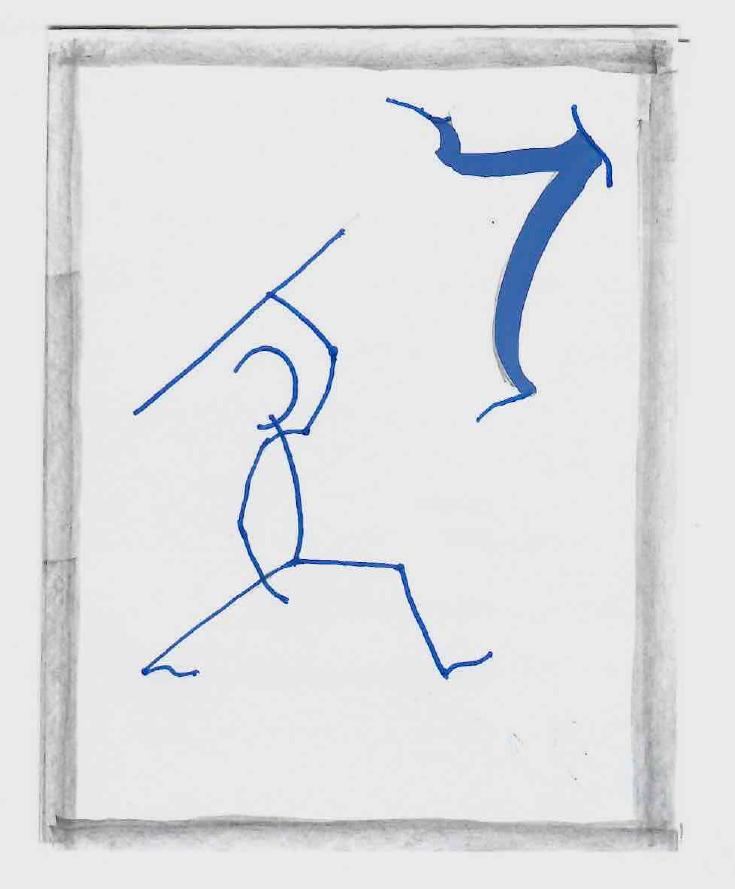
ל
Letter 2 · Guidance

Lamed

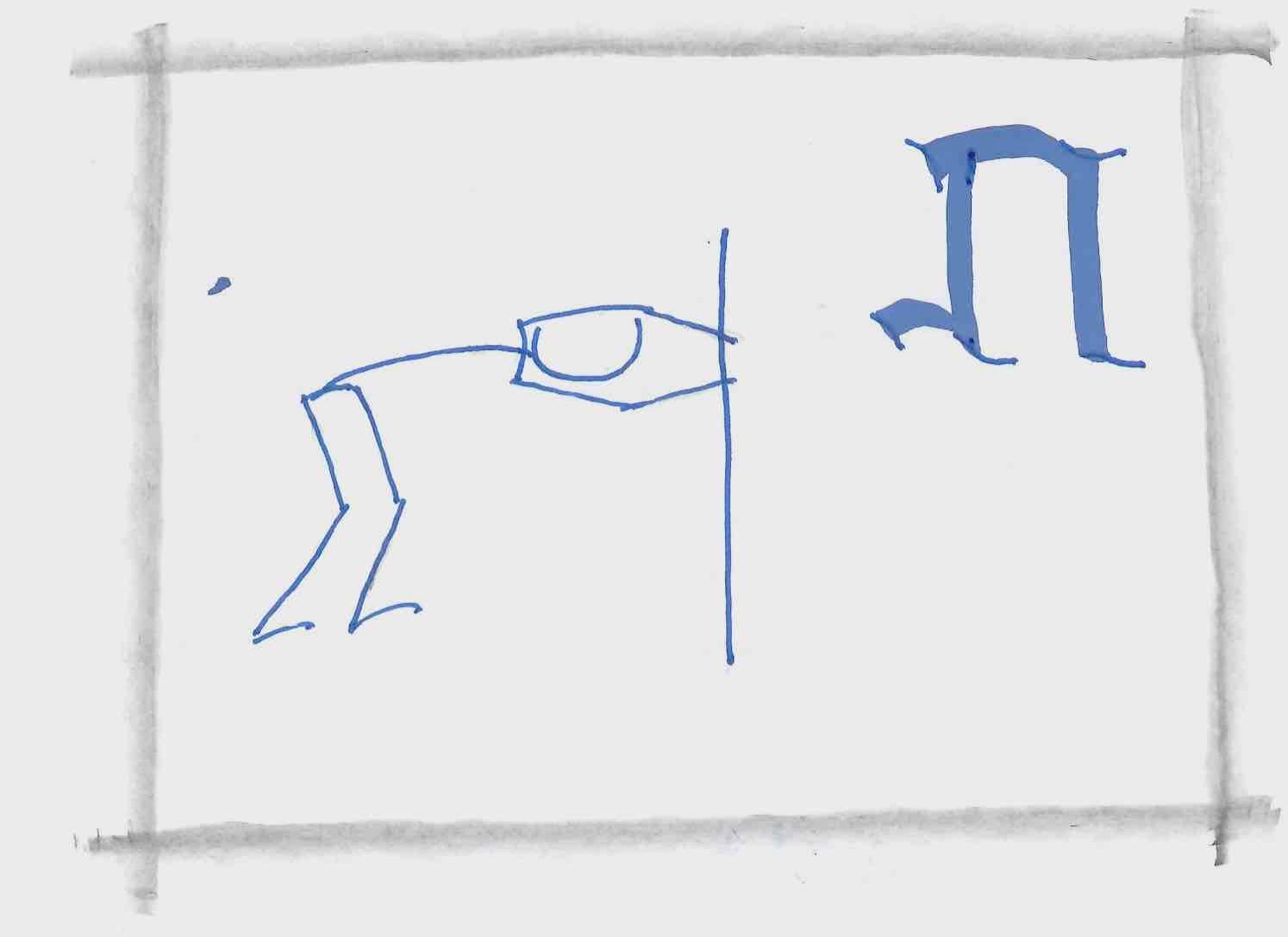
Hand-drawn figure in a Lamed-inspired posture beside the Proto-Hebrew Lamed pictograph

Lamed's root image is the shepherd's staff or goad, pointing and guiding the flock. I see it whenever the staff sets direction — a raised arm, a guiding line from hip to hand — reminding me that every movement is aimed.

Lamed rises above the line. I visualize its shape as the staff sets direction from hip to hand.

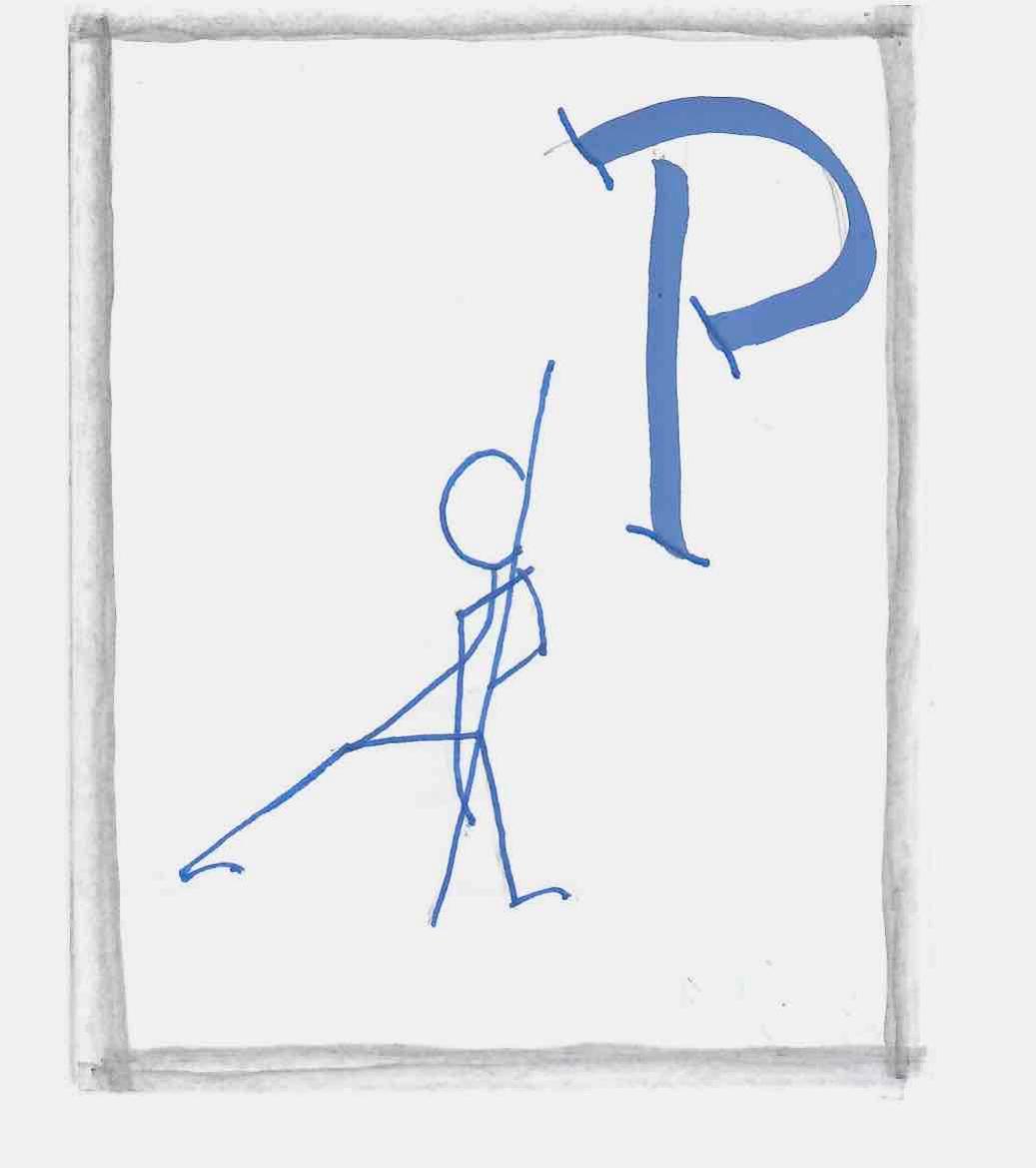
ק
Letter 3 · Rotation

Qof

Hand-drawn figure in a Qof-inspired posture beside the Proto-Hebrew Qof pictograph

Qof carries the idea of circling — the sun on its path, the horizon, the sling in its arc. I picture its tail descending below the line as the body spirals through a rotation: shoulders turning, weight shifting, the sling describing its circle.

The shoulders turn and the weight shifts as the sling describes its circle.

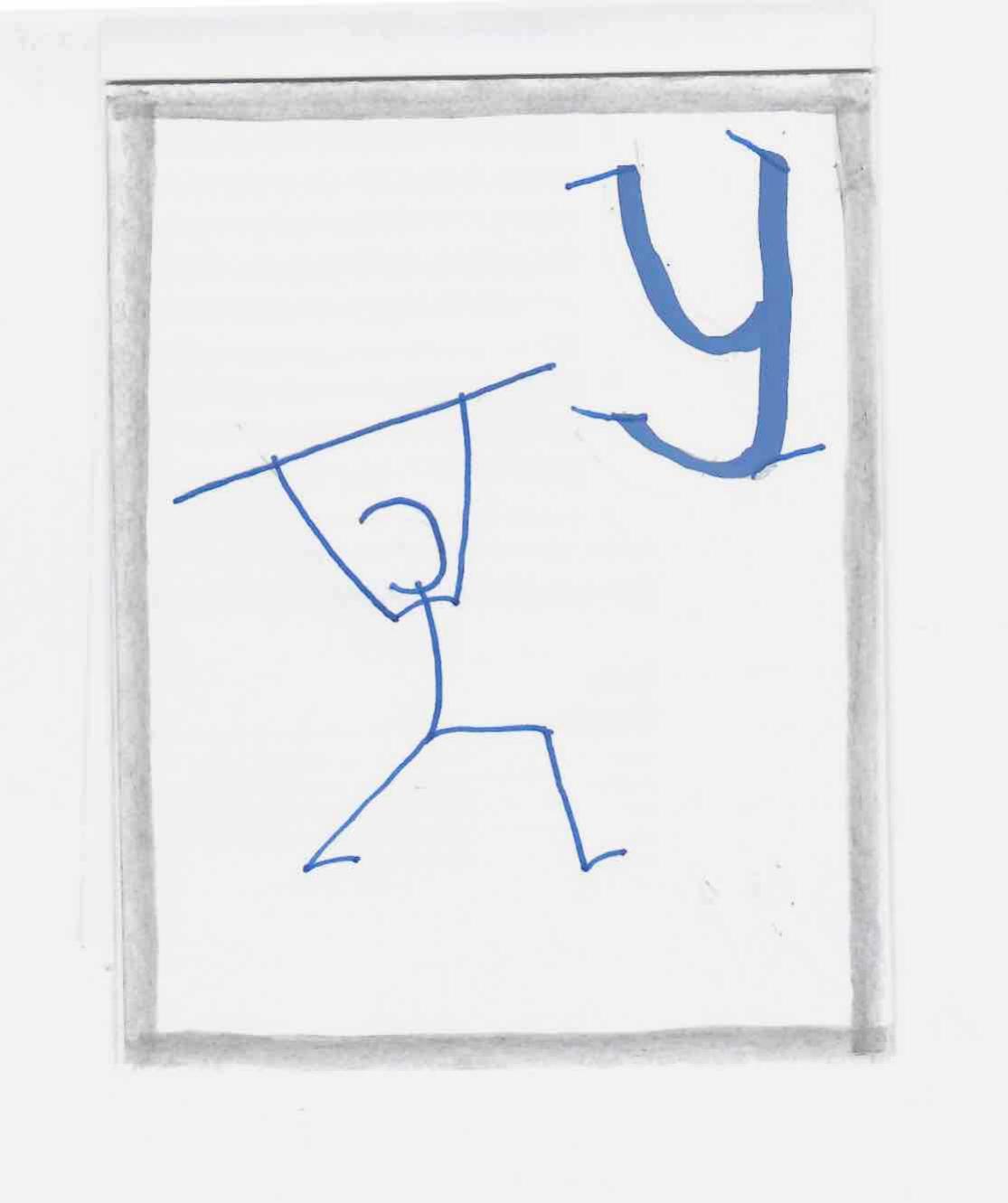
ע
Letter 4 · Focus

Ayin

Hand-drawn figure in a Ayin-inspired posture beside the Proto-Hebrew Ayin pictograph

Ayin is the eye, the act of watching and paying attention. While the sling speeds or the arrow waits, I let the gaze settle on a single point. Focus turns motion into accuracy.

I let my gaze settle on a single point before the sling or arrow moves.

ת
Letter 5 · Completion

Tav

Hand-drawn figure in a Tav-inspired posture beside the Proto-Hebrew Tav pictograph

Tav began as a mark, a sign, or the crossed lines of a target. I bring it in at the close of a practice: a full breath, a soft fold, the body signing off on the work. Completion is its own seal.

At the close of practice, I take a full breath and a soft fold.

A word of care

Always check with your health professional before starting any new exercise routine. Stop any exercise that is physically painful. Use common sense.